Port Macquarie sits at the mouth of the Hastings River. Annual rainfall often exceeds 1,200 mm. The local geology is dominated by alluvial silts and estuarine clays. These fine-grained soils react dramatically to water. A sample can go from solid to slurry with just a few percent change in moisture content. Atterberg limits testing quantifies this behavior precisely. The test defines the liquid limit, plastic limit, and plasticity index. For any project involving cohesive soil, these numbers guide foundation design, earthworks control, and drainage planning. Data from a test pit program often triggers the need for this index testing. When you hit grey clays near Port Macquarie, you need the numbers fast.
Knowing the liquid limit of Port Macquarie's estuarine clays is the first step in predicting their shrink-swell potential under varying seasonal moisture.
Scope of work
Area-specific notes
Port Macquarie's expansion from a penal settlement to a coastal city pushed development onto estuarine plains. The Hastings River floodplain contains deep deposits of highly plastic clay. Structures built without plasticity data here have experienced severe differential movement. A soil with a high plasticity index retains water and moves seasonally. This cyclic movement damages slabs, roads, and buried utilities. AS 2870 classifies sites based on these indices. Misclassifying a site leads to under-designed footings. The cost to remediate a cracked slab on reactive clay far exceeds the cost of a single Atterberg limits test. The data protects the project from day one.
Standards used
AS 1289.3.1.1:2009 - Liquid Limit (Casagrande Cup), AS 1289.3.2.1:2009 - Plastic Limit, AS 1289.3.3.1:2009 - Plasticity Index, AS 2870 - Residential Slabs and Footings
Linked services
Liquid & Plastic Limit Determination
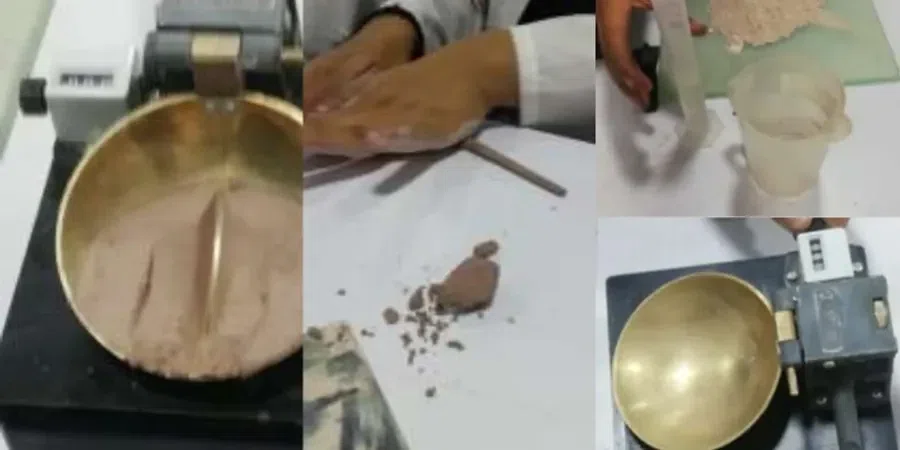
Standard Casagrande cup and thread-rolling methods per AS 1289. Includes natural moisture content for context.
USCS Classification Package
Combine Atterberg limits with sieve analysis and hydrometer to assign a full Unified Soil Classification System symbol.
Shrink-Swell Index Assessment
Interpretation of plasticity index and linear shrinkage to estimate site reactivity class for AS 2870 footing design.
Typical parameters
Top questions
What does the Atterberg limits test cost in Port Macquarie?
Standard Atterberg limits testing on a single sample typically falls between AU$80 and AU$150. The final fee depends on the number of samples and whether it's part of a larger testing package.
How much sample is needed for the test?
We require a minimum of 200 grams of soil passing the 425 micron sieve. It's best to send a larger bag of material from the specific layer so we can process it correctly in the lab.
Why is the plasticity index so important for foundations in Port Macquarie?
The plasticity index indicates how much water a soil can hold before turning to liquid. A high PI means the soil will move significantly with seasonal moisture changes. This directly determines the footing depth and reinforcement required under AS 2870 to prevent cracking.