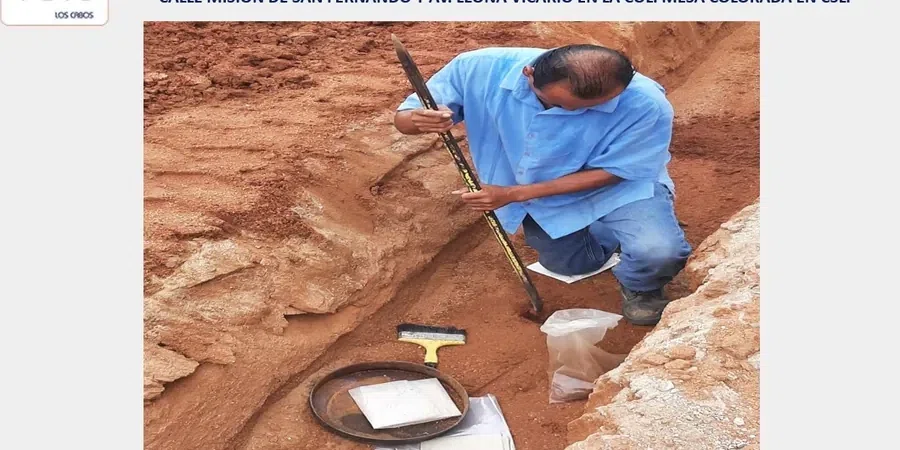
Port Macquarie has shifted from a quiet penal settlement on the Hastings River into one of the fastest-growing coastal cities in New South Wales, and that growth has pushed development into landscapes that were farmland or low-lying bush just a decade ago. The old Cobb & Co route and the newer Pacific Highway corridor both sit on ground that can hide surprises: buried organics from old lagoons, pockets of uncontrolled fill from the 70s, or sand ridges left behind when sea levels were higher. An exploratory test pit opens a window into those first two to four metres where most residential and light commercial footings will bear, and what we find often changes the foundation design before a single dollar is wasted on over-excavation. When we open a pit near the Hastings floodplain fringe, we are reading the same soil transitions that shaped where the early cedar getters could and could not build. It is fast, direct, and gives the project engineer something no bore log can fully replace: a vertical face you can photograph, log, and sample with your own hands. For deeper strength profiling where the pit cannot reach, we often pair the observation with a CPT test or targeted SPT drilling to carry the stratigraphy into the bearing layers below.
A single exploratory test pit on a Port Macquarie block can reveal more about fill history and seasonal water movement than a dozen lab reports on disturbed samples.
Scope of work
Area-specific notes
A builder near the Port Macquarie Golf Club excavated for a two-storey dwelling and hit a buried tree stump layer at 1.2 metres — what looked like firm grass on top was a thick mat of uncompacted green waste beneath, left over from the site's previous life as a turf farm. That discovery came late because no exploratory test pit had been opened before the slab design was locked in. The remediation added three weeks and a full undercut program that could have been priced into the contract from day one. When we open a pit, we are looking for exactly that: uncontrolled fill, old sewer alignments, sand seams that collapse when they drain, or reactive clays that will heave a slab edge before the first summer is out. In Port Macquarie's humidity and coastal rainfall, even a well-compacted clay fill can soften at the surface if site drainage is not managed, and a pit shows you the moisture profile in real time. The cost of a morning's excavation is negligible compared with a brick veneer cracking pattern that tells the story two years after handover.
Standards used
AS 1726: Geotechnical site investigations — field logging and description, AS 4678: Earth-retaining structures (referenced when pits inform retaining wall design), Work Health and Safety Regulation 2017 (NSW) — excavation and trenching safety
Linked services
Pre-purchase due diligence pit
One or two pits opened on a vacant lot to identify fill, organic layers, and obvious groundwater issues before you settle. Includes a brief summary with photographs and a verbal debrief on the same day.
Standard geotechnical test pit program
Multiple pits across the building footprint, logged in detail to AS 1726 with field strength indices, soil descriptions, and sampling for lab index testing where reactive or compressible soils are suspected.
Combined pit and DCP investigation
Test pits paired with dynamic cone penetration tests at the base to extend the strength profile beyond the excavation depth, useful where stiff clays or dense sands govern the foundation design.
Typical parameters
Top questions
What does an exploratory test pit cost in Port Macquarie?
A straightforward program with one or two pits in accessible ground typically falls between AU$810 and AU$1,260, depending on access, depth, and whether we need a spotter for services. If you need several pits across a larger block or a DCP at the base of each, the scope and cost increase, and we will give you a fixed price after a site walk.
How deep can you go with a test pit in coastal soils?
Most pits in Port Macquarie reach 2.5 to 4.0 metres with a standard excavator, which covers the zone of influence for residential footings and light commercial slabs. We can step and bench deeper where the ground is stable, but once we pass four metres we usually switch to a drill rig because excavation safety requirements ramp up considerably.
Do I still need a borehole if I have test pits?
Pits give you a direct view of the upper layers and are excellent for mapping fill, root zones, and shallow groundwater, but they do not replace boreholes for deeper bearing layers or for standard penetration testing. On most Port Macquarie jobs we treat pits and boreholes as complementary — pits for the near-surface story, boreholes or CPT for what sits below.
What happens to the pit after you finish logging?
We backfill the excavation in compacted lifts, matching the moisture content of the surrounding soil to avoid differential settlement, and we reinstate the surface to existing grade. The site is left clean, and we include the backfill method in the report so your engineer knows exactly how the pit was closed.